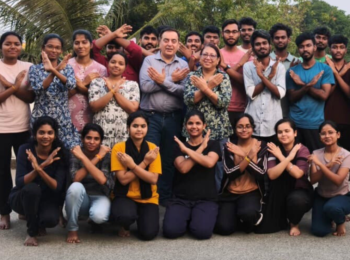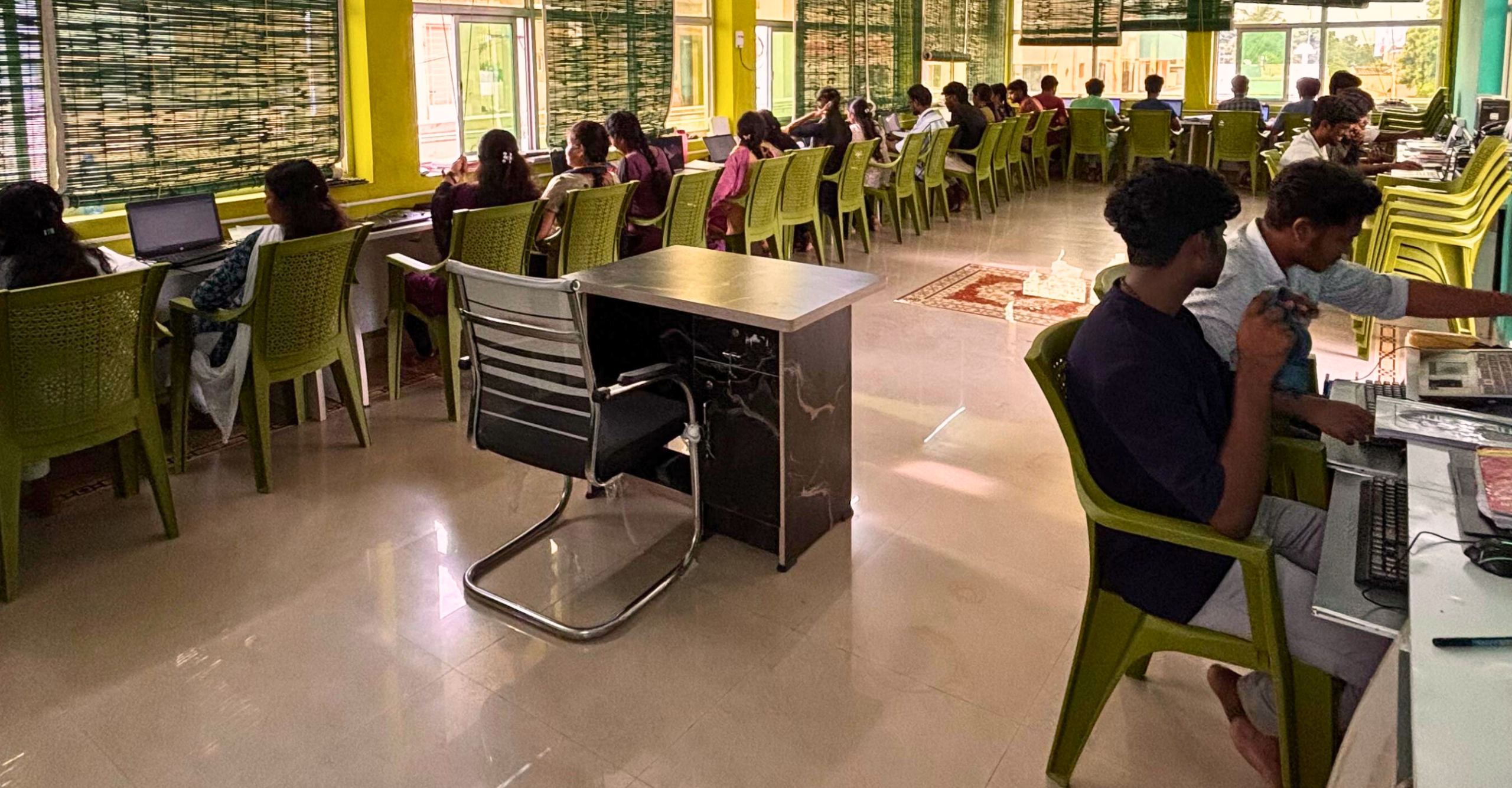
Transformational programs do not operate in comfortable conditions. When the goal is to move first-generation professionals from underprivileged backgrounds into high performance corporate roles, uncertainty is inevitable. At Xcelevate, risk is not ignored or hidden. It is acknowledged, studied, and actively managed.
A skilling program that takes young adults between 18 and 25 years old, many from difficult circumstances, and prepares them for demanding professional environments must anticipate multiple forms of risk. Academic struggles, motivation challenges, family pressure, corporate uncertainty, and interpersonal dynamics all come into play. Managing these risks carefully is central to the success of the program


One of the most visible risks in any intensive training program is dropout. At Xcelevate, roughly one third of apprentices either drop out or are asked to leave during the program. We do not want to compromise on quality. We ensure that multiple opportunities are provided, but if they are not appreciated, then we part ways. This is not treated as failure but as part of maintaining the integrity of a demanding process.
Two factors usually determine whether someone continues. The first is ability. The second is willingness.
Apprentices who struggle academically are given multiple opportunities to improve. Peer learning plays a significant role, with classmates helping each other understand concepts and complete assignments. Mentors regularly intervene through one on one sessions to identify weak areas and suggest different approaches to learning.
Monthly evaluations help identify performance issues early. Apprentices must maintain minimum grades to continue in the main technical track. If someone demonstrates commitment but struggles with technical depth, they may be moved to a semi tech track that still leads to meaningful career opportunities.
However, willingness and integrity are non-negotiable. Ethics and attitude matter as much as capability. In one instance, an apprentice used generative AI to complete assignments and refused to acknowledge the mistake when confronted. The decision was taken to remove her from the program. Maintaining trust and accountability is essential in preparing individuals for professional roles.
Many apprentices come into the program with limited exposure to professional environments and low confidence in communication. To address this, learning often extends beyond classrooms in the form of experiments.
One example is the mall exercise. Some apprentices struggled to speak confidently despite repeated classroom assignments. They were taken to a mall and asked to approach strangers and start conversations. At first there was hesitation and discomfort. But within a short time, the same apprentices began engaging confidently and even persuading multiple people to participate in conversations.
The experience reflects a core philosophy. Some skills cannot be taught theoretically. They must be experienced. It is similar to learning to swim by entering the pool rather than standing at the edge.
Regular counselling support, encouragement from mentors, and stories of alumni who overcame similar challenges reinforce motivation. The message remains consistent. Persistence today can lead to a very different future. Most usually fall in line.
Another important risk comes from family expectations. Many apprentices come from close knit families that are used to seeing their children regularly. The residential Gurukul model requires full commitment and a structured daily routine.
Apprentices wake up at 5 AM and follow a schedule that includes learning, practice, mentoring sessions, and collaborative activities throughout the day. Maintaining this rhythm is essential for discipline and progress.
Families sometimes request frequent visits or extended time away from the program. While apprentices are encouraged to stay connected with their families through regular calls, extended breaks are avoided to preserve the learning momentum.
The philosophy is simple. Discipline practiced daily eventually becomes a habit that lasts a lifetime.
The program includes both male and female apprentices within the same age group. Natural interpersonal dynamics can arise in such an environment. Rather than ignoring this reality, clear behavioural guidelines are established from the beginning.
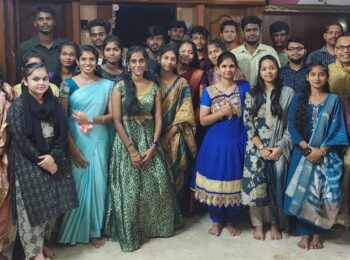
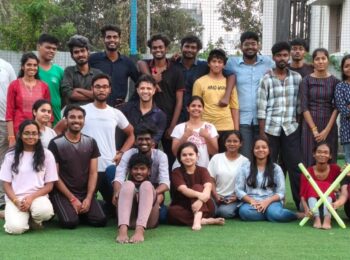
Apprentices are housed on separate floors but share learning sessions and group activities. They eat together, perform tasks together. Professional conduct is emphasized through structured discussions on workplace behaviour, ethics, and respect. These conversations prepare apprentices for the realities of corporate environments where professionalism is essential. The best solutions are got by addressing the problem, not by avoiding them. Over time, we see they develop a mutual respect for each other. This respect is apparent to not just those with them, but also from visitors, or observers outside.
Mental health support is also available through a counsellor and psychologist who can assist apprentices dealing with stress, adjustment challenges, or personal concerns.
Finally, there is the risk that hiring partners may change their plans or reduce hiring demand. To mitigate this, Xcelevate works closely with multiple corporate partners and maintains ongoing communication about skill requirements and hiring timelines.
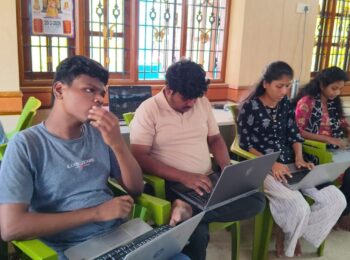
The program’s curriculum is aligned with real industry needs such as Java, microservices architecture, DevOps, cloud technologies, and data structures. This ensures that apprentices are prepared for roles that are actively in demand.
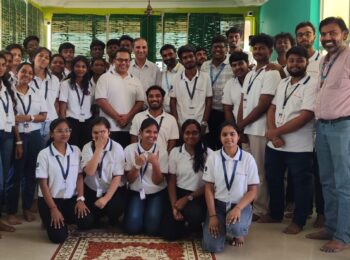
The results help reinforce confidence among employers. Over 80 apprentices have already been placed in corporate roles, many as software engineers. Several have received early promotions and attrition has remained extremely low. These outcomes demonstrate that with the right preparation and support, talent from underprivileged backgrounds can thrive in demanding professional environments.
At its core, the Xcelevate model recognizes an important truth. Meaningful transformation involves risk. Young people are stepping out of familiar environments into entirely new worlds. Corporates are hiring from talent pools they may never have considered before.
The role of the program is not to eliminate risk but to manage it responsibly. Through discipline, mentorship, structured learning, and strong ethical standards, the risks become manageable and the outcomes become transformative.
For the apprentices who stay the course, the reward is far greater than completing a training program. It is the opportunity to build a career, support their families, and redefine what is possible for the next generation.

1 Anita Society, Nr. Vishwakunj Cross-roads, Narayan Nagar Road, Paldi. Ahmedabad – 380007. Gujarat. India.
© 2026 Xcelevate Skills Foundation. All Rights Reserved. CIN: U85500GJ2024NPL154303
1 Anita Society, Nr. Vishwakunj Cross-roads, Narayan Nagar Road, Paldi. Ahmedabad 380007. Gujarat. India.